Author: admin

  • Urbiquity Urban Lab 2018

    Urbiquity Urban Lab 2018

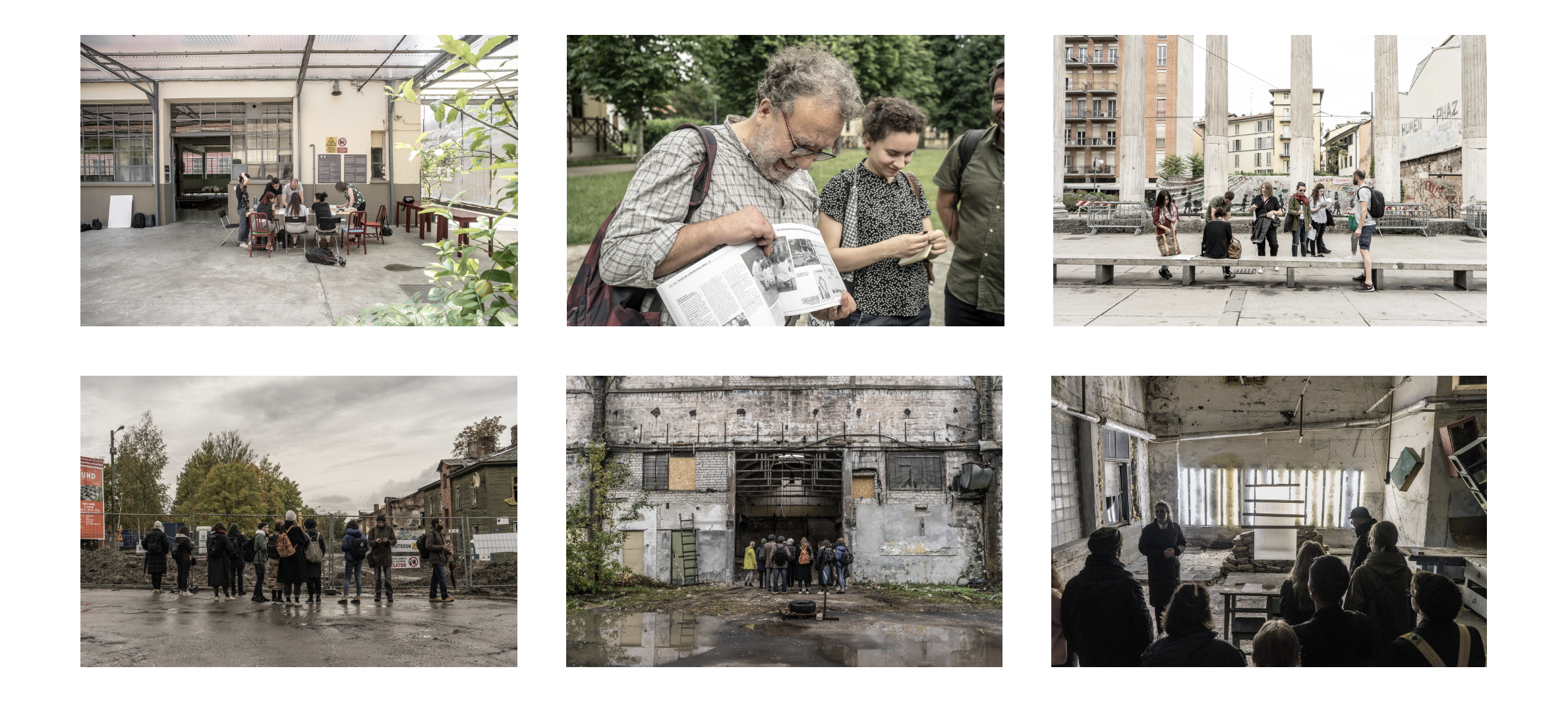
    In 2018, we organised the Urbquity Urban Lab in Tallinn and Milan. The results of these workshops and exhibitions were gathered into the Reading the City publication in 2019.

    The Urban Lab is a week-long visual urbanism residency. A programme of walks and talks, practice and theory will be carried out during the 6 days. The Urban Lab will culminate in an exhibition of all the resulting work in Tallinn. Additionally, a selection of the projects will be shown as part of a final showcase curated by Urbiquity.

    The Urban Lab residency creates experiences where urbanists from around the world can learn from and add to the local urban discourse. By learning about the specific urban struggles facing the city that derive from their specific geopolitical context, the participants will create new projects around the central theme. Urbiquity has created a week long programme for this exact purpose which includes talks, seminars, walks and urban interventions.
    More on the Urbiquity website.

  • Gallery of Slavutych

    Gallery of Slavutych

    This experimental gallery format and organisation was the result of my time at the 86 Film and Urbanism Festival, Urbanism residency curated by METASITU in Slavutych, Ukraine.

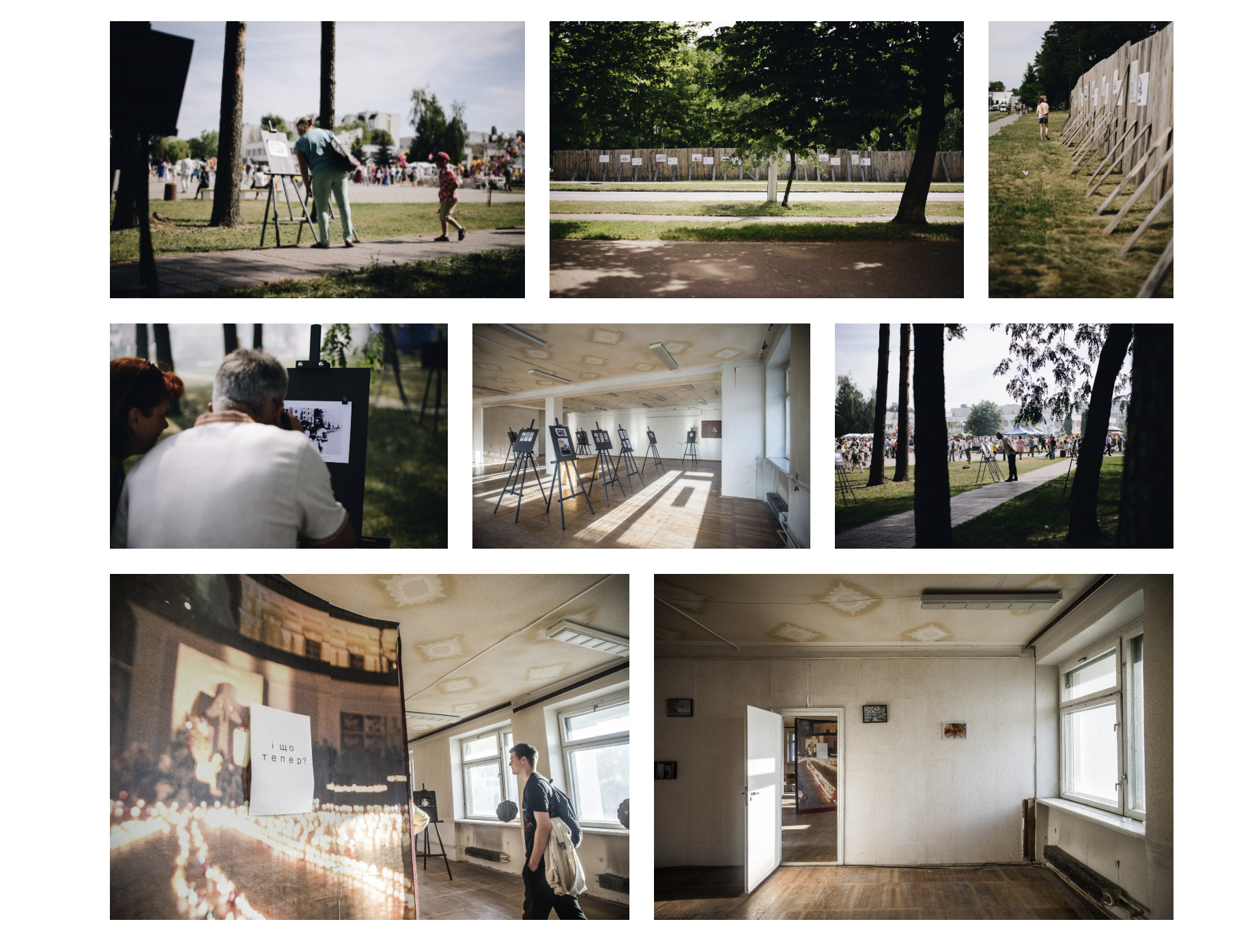
    The Slavutych Gallery was the 1st independent art gallery in the city. Its primary aim was to both highlight local talent as well as showcase artists from Ukraine and abroad. The secondary aim of the gallery was to be a vehicle for intermediate use for empty spaces in the town. The tertiary aim of the gallery was to function as a platform for the collective of local curators to create meaningful experiences for the inhabitants of Slavutych.

    The gallery project consisted of setting up an infrastructure which could then function independently after the residency period ends. The first incarnation consisted of 10-12 easels which could be used to place work in a variety of contexts – both indoors and in public space. I put together a group of locals who would be interested in owning and managing the project after I leave. In addition, I struck a deal with the mayor for the permission to use vacant municipally owned spaces for the purposes of the gallery as well as help in covering any costs the gallery might have.

    I was happy to see the format outlive my time at the residency, as was planned. The infrastructure of the easels, curatorial group and municipal support saw a number of exhibitions take place across the city. I am currently unaware of the fate of the gallery and await the chance to revisit Slavutych for a follow-up.

  • “My Story” workshop

    “My Story” workshop

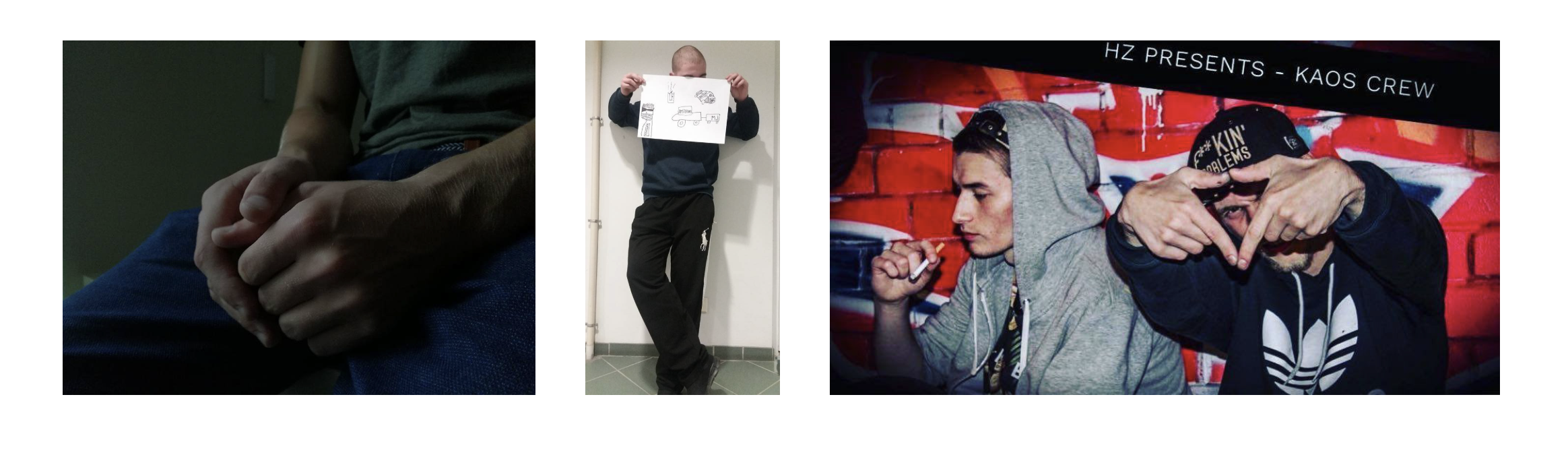
    “Minu lugu” (“My Story”) was a photography workshop I led by with Anna Markina from the Tartu University Faculty of Law. The international study, titled PROMISE, focused on youth involvement in the society. The Tallinn study concentrated on youths with a criminal record. The project aimed to help the participants voice their stories using photography. 

    I led a workshop where the youths learned to use the medium of photography through a series of practical workshops. The end result is an exhibition showcasing the work produced during the course. The final exhibition showcased the work made by the participating youth and was open at the Kullo gallery in Tallinn. More than the results, the process seemed valuable for some of the participants. I personally learned a lot from them.

  • Hiraeth

    Hiraeth

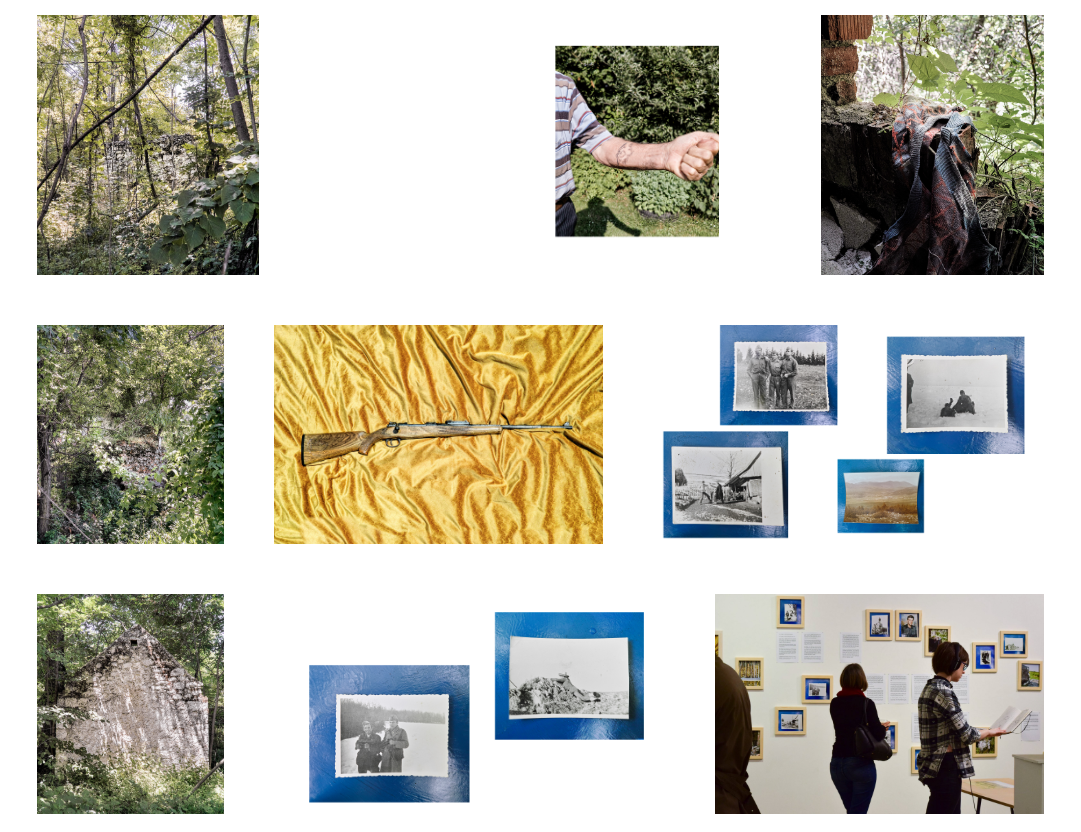
    Personal photo project, culminating in a group exhibition with Stefano Carnelli and Pablo Conejo. Shot in Bosnia in 2015, exhibited in London, 2016.

    Hiraeth’ is a homesickness for a home to which you cannot return or a home which maybe never was. The nostalgia, the yearning, the grief for the lost places of your past. The project explores the breakup of Yugoslavia and the subsequent Bosnian War from the point of view of a single village, following a family archives alongside the remains of physical structures. As the site itself is still largely littered with mines, access was limited. Much like the villagers themselves during the war, I only had a day to gather everything from the village.

    The narrative for ‘Hiraeth’ is pieced together from the remains of the lived space, the family archive and oral history gathered during a year of research. By introducing the archive and personal histories a temporal shift occurs where new possibilities arise for perceived truth. The final result was exhibited as part of the London Urban Photo Fest 2016. 

  • A City Read With One’s Feet

    A City Read With One’s Feet

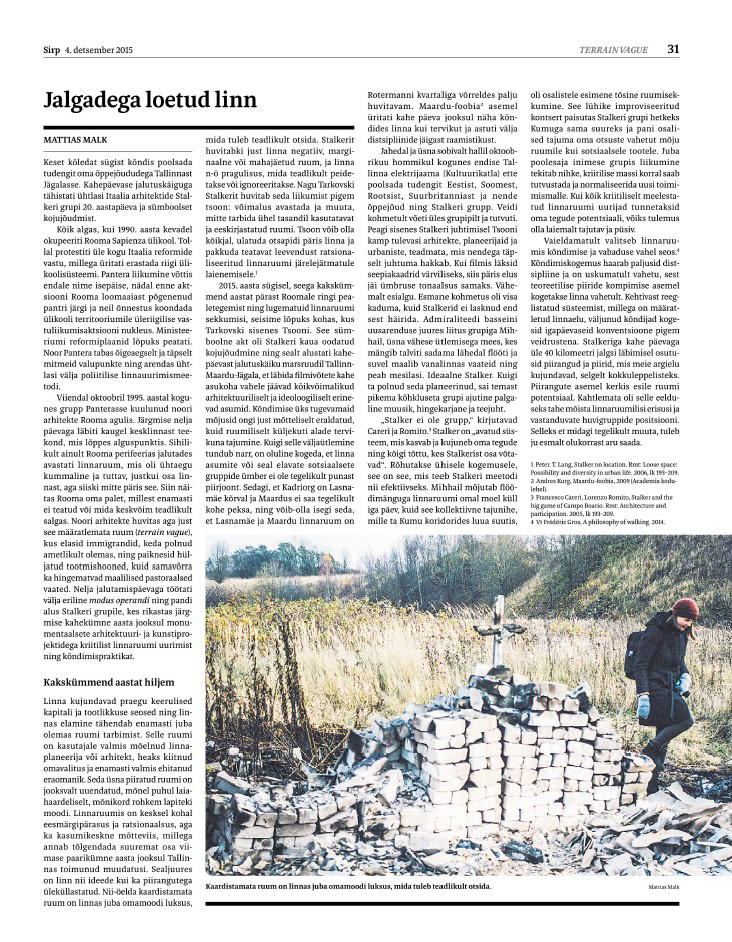
    This was an article written for Estonian cultural newspaper SIRP. It is in Estonian. The focus of the article was the urbanist research methodologies of walking practices on the example of the studio I run at the Estonian Academy of Arts. This marked the first year of the studio and is based on the 50km walk we did with nearly 100 students around the filming locations of “Stalker” in Tallinn and in its vicinity.

    The full article can be read here.