Category: Workshop

  • EASA Apathy Residency

    EASA Apathy Residency

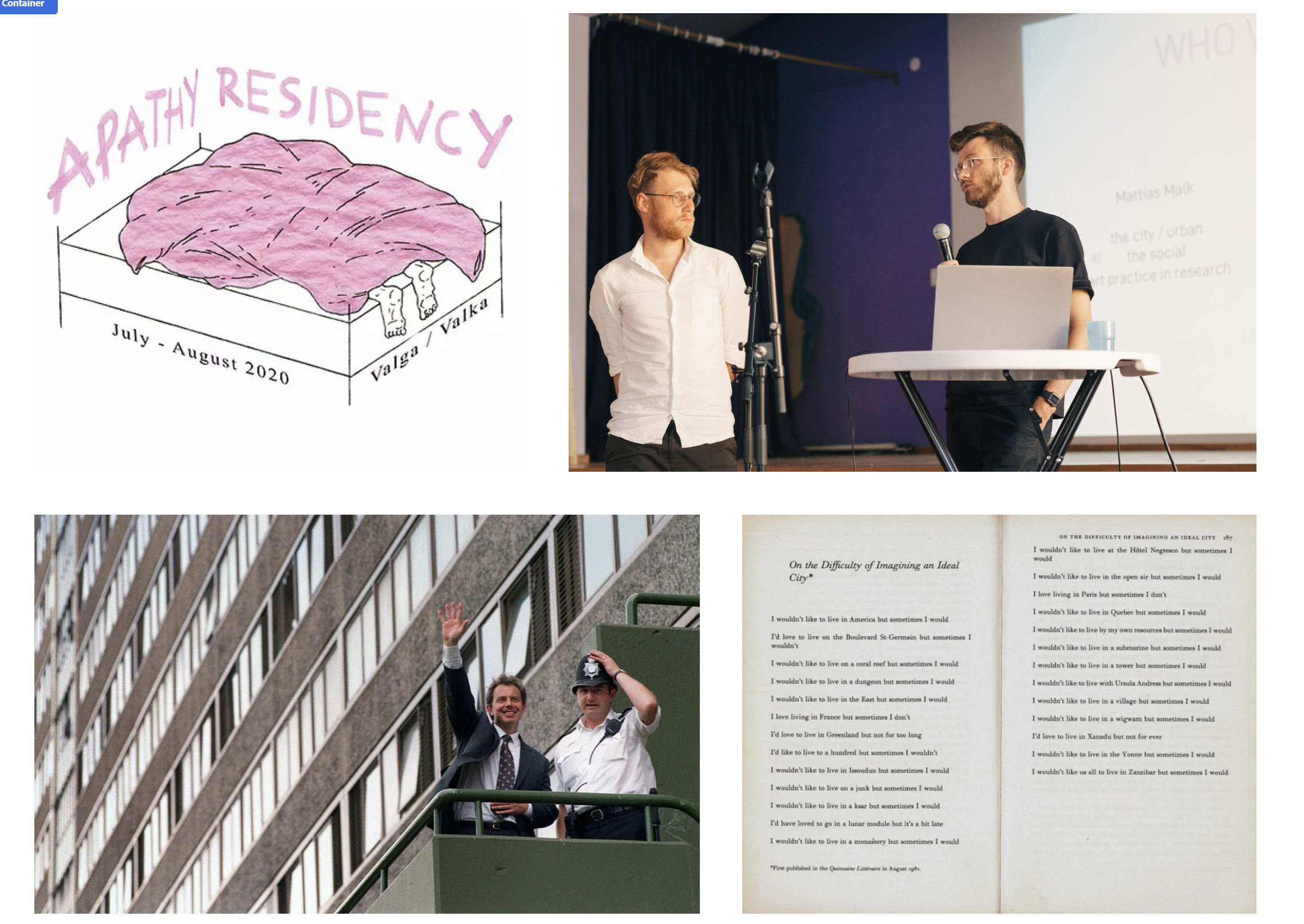
    This was a workshop I ran together with architect Rasmus Pikk. Entitled: “How I Learned to Stop Worrying and Love Apathy”, it took place 10.08.2020 as part of the European Architecture Students’ Assembly 2020 Summer School in Valga. The whole event was centred around the topic of “Apathy” – what does it mean for architects, for cities, societies and individuals and what to do with it. 

    The lecture portion focused on the role of narrative in architecture. We covered a series of key concepts including individual/collective, storyline and discourse coalition. Our aim was to employ these concepts in the workshop portion to enable a discussion about apathy with a critical eye on narrativity as the way we interact across the various scales and grades of society.

    The practical portion consisted of participants recording a monologue of their individual narratives on the topic of apathy. They were also asked to come up with a sound which represents the topic best for them. These recording were layered on top of each other and replayed in recurrent loops in the open air, creating a temporary discourse coalition. The outcome was less important for us as facilitators, than the attempt to offer an introspective moment in an otherwise intense and packed summer school format. I think this worked and was received well.
  • EASA Apathy Conference workshop

    EASA Apathy Conference workshop

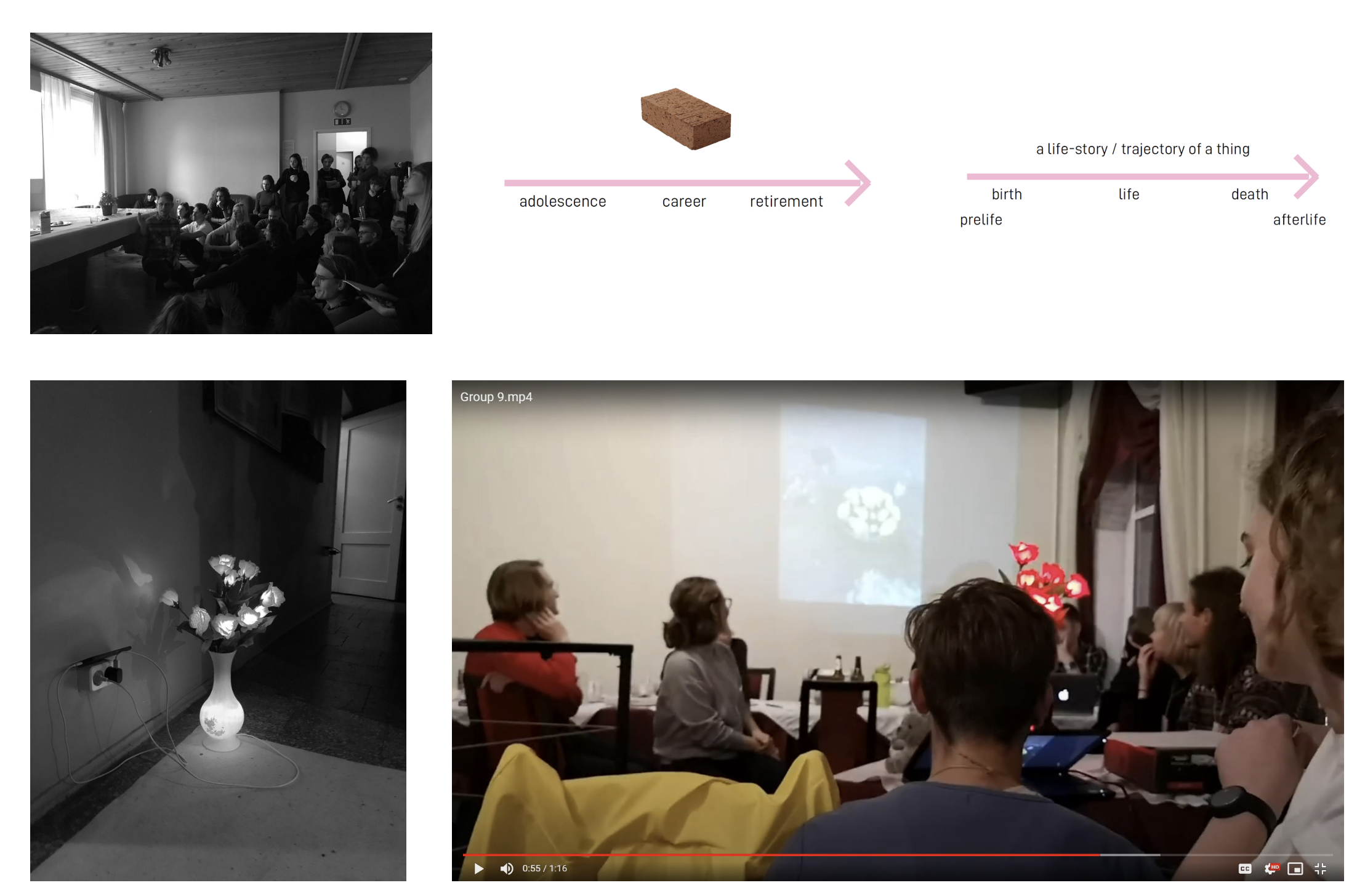
    This was a workshop for the mini-conference organised by EASA Estonia in the runup to organising the EASA 2020 Summer School in Valga. The aim of the workshop was to open up a conversation about what can be understood as “apathy”, its use and meaning for architects and the material form it can take in the city. 

    Participants were asked to conduct a walk through Valga in a small group, identify one object which represents “apathy” for them, and construct an object biography for this item in the spirit of Arjun Appadurai and Caroline Knowles. These (fictional) stories were then presented as a speech, play, dialogue or visual narrative to the other groups over dinner. In addition to giving meaning to the architects’ exploration of the city, I found the biographies to present a wide array of interpretations of the overall topic. The participants seemed to have a great time too.

  • Urbiquity Urban Lab 2019 Tallinn

    Urbiquity Urban Lab 2019 Tallinn

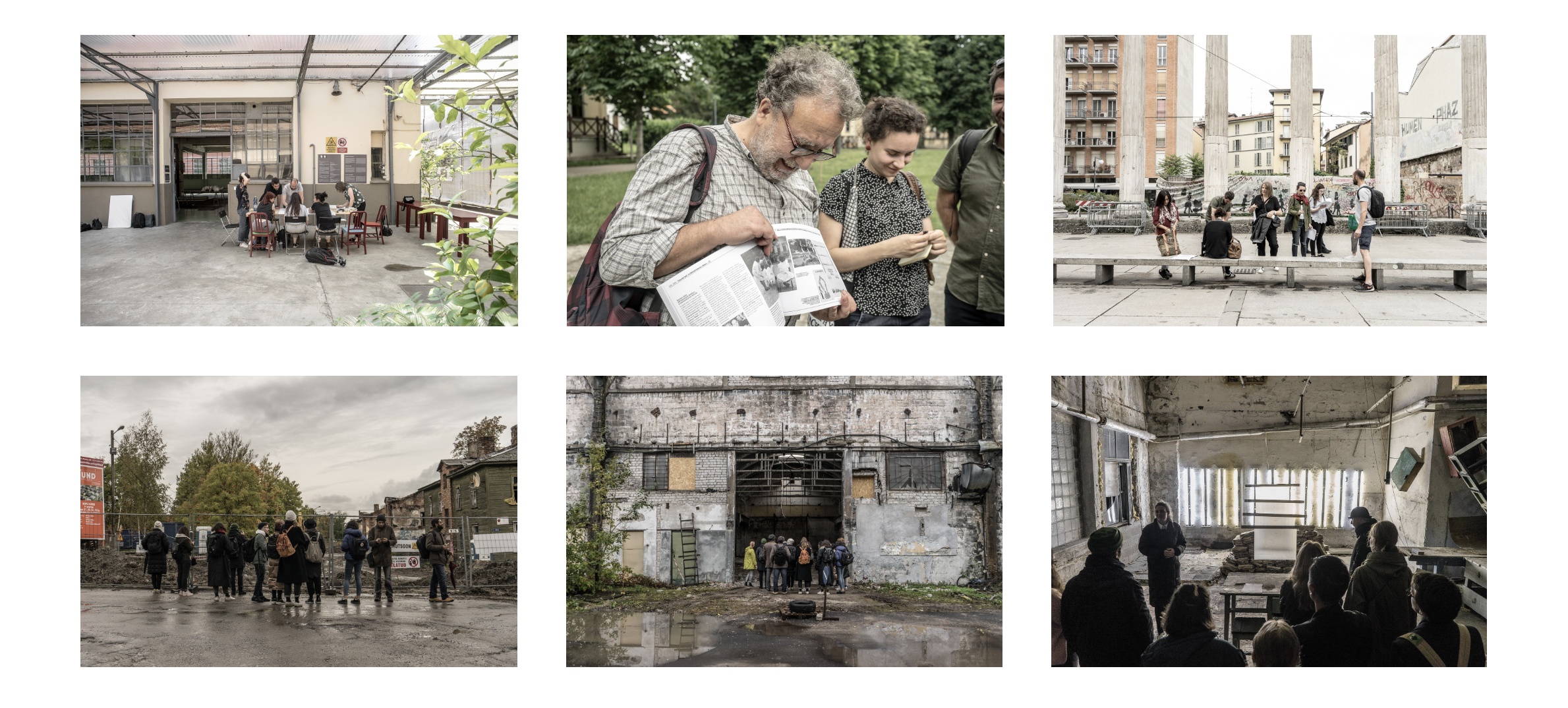
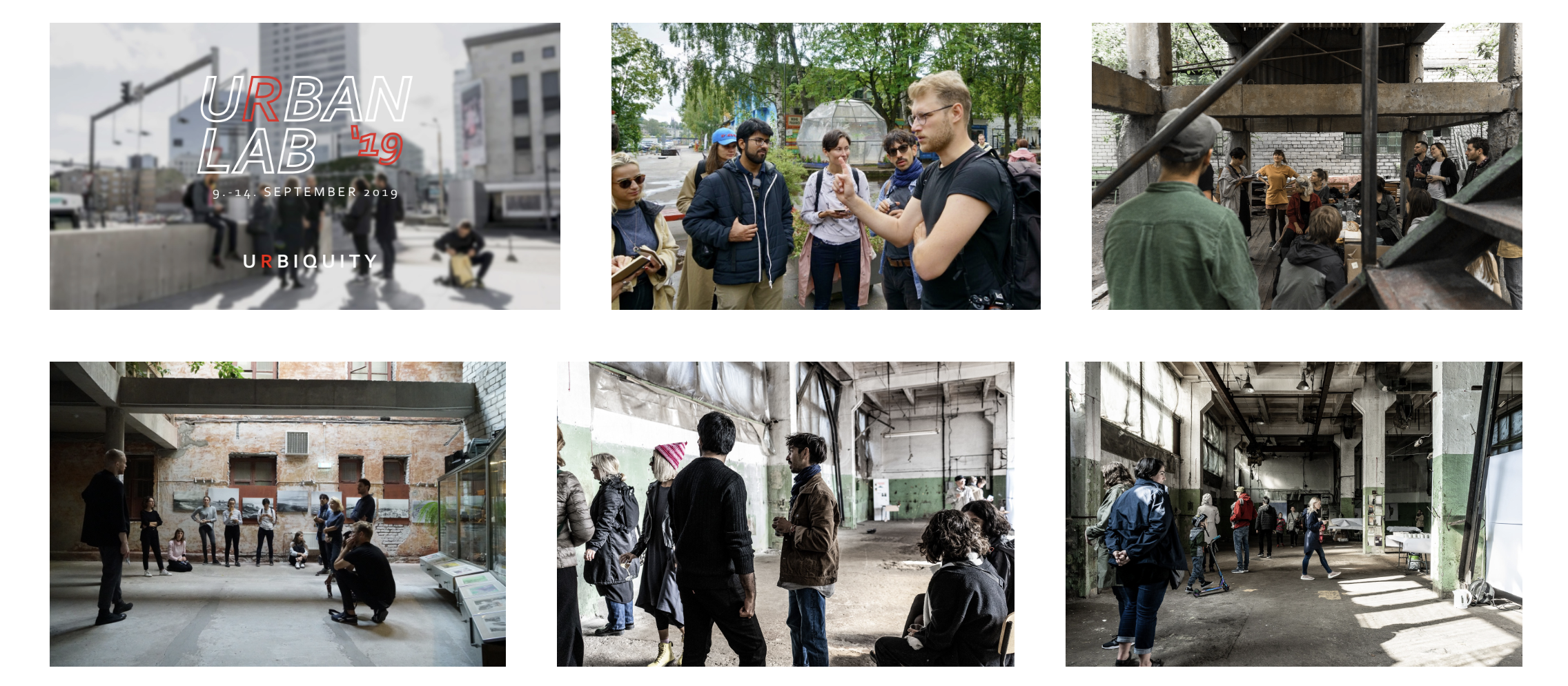
    The Urban Lab is a workshop programme we developed with Urbiquity. This one took place in Tallinn, 9.-14. September in cooperation with the Tallinn Architecture Biennale and the Estonian Academy of Arts.

    The Urban Lab is a week-long visual urbanism residency. A programme of walks and talks, practice and theory will be carried out during the 6 days. The Urban Lab will culminate in an exhibition of all the resulting work in Tallinn. Additionally, a selection of the projects will be shown as part of a final showcase curated by Urbiquity.

    The Urban Lab residency creates experiences where urbanists from around the world can learn from and add to the local urban discourse. By learning about the specific urban struggles facing the city that derive from their specific geopolitical context, the participants will create new projects around the central theme. Urbiquity has created a week long programme for this exact purpose which includes talks, seminars, walks and urban interventions.

    More on the Urbiquity website.

  • Viadrinicum UrbanLab

    Viadrinicum UrbanLab

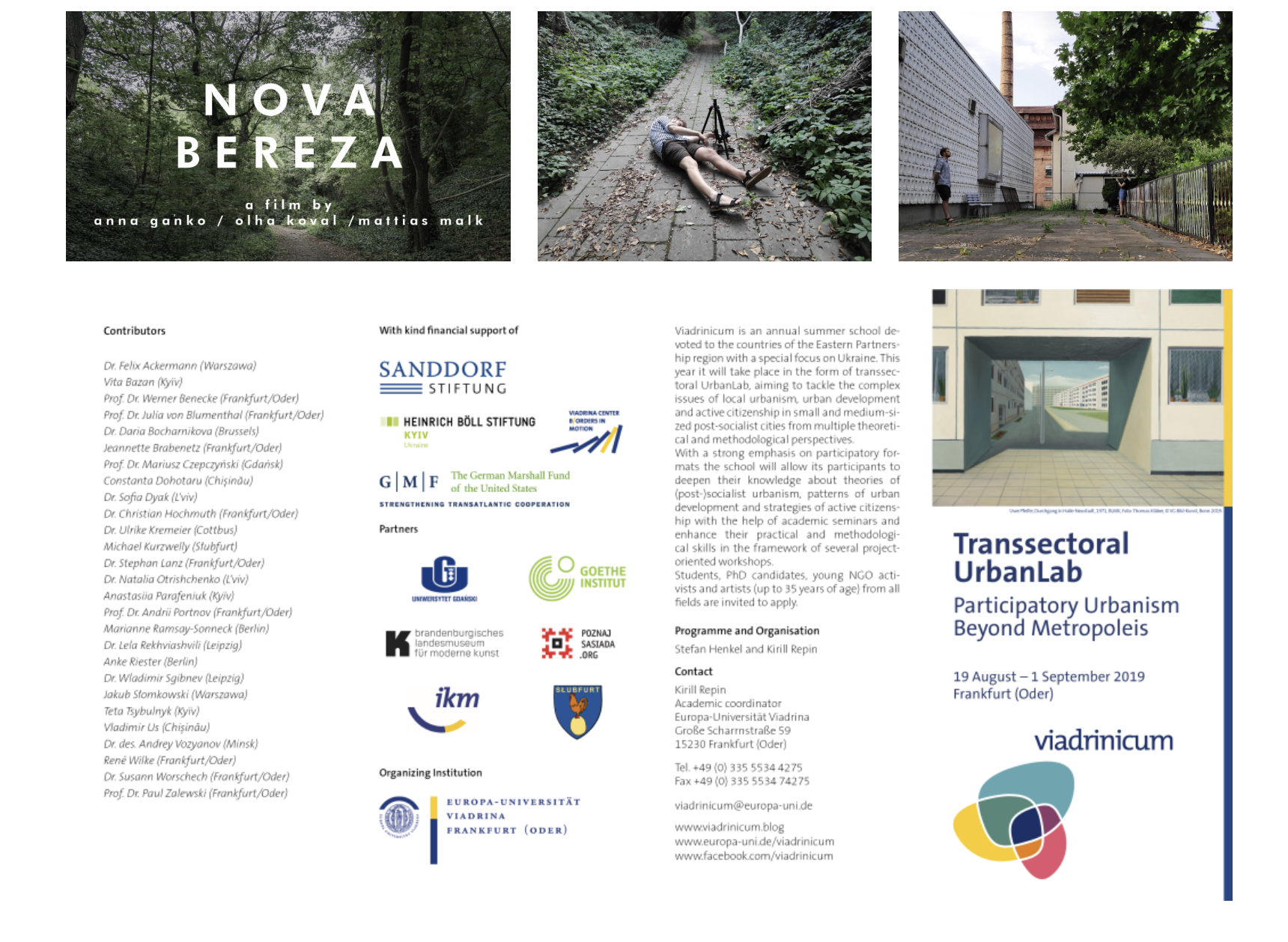
    I participated in this exceptional summer school taking place in the twin towns of Frankfurt(Oder) and Słubice. Crossing the border was a daily act. Organised by Kirill and Stefan from the European University Viadrina, this was one of the most dense and informational educational experiences I have been part of. Together with Anna Gańko and Olha Koval, andwith the help of Malte Pröckl and Anke Riester, we made a short documentary film about Neuberesinchen, a district in Frankfurt(Oder). This was also later shown at Brandenburgisches Landesmuseum für moderne Kunst as part of the Urban Commentaris programme.

    The film is available here (the password is neuberesinchen).

    You can also read a blog post about my experience.

    Viadrinicum is an annual summer school devoted to the countries of the Eastern Partnership region with a special focus on Ukraine. With a strong emphasis on participatory formats the school focused on theories of (post-)socialist urbanism, patterns of urban development and strategies of active citizenship with the help of academic seminars and enhance their practical and methodological skills in the framework of several project-oriented workshops. Students, PhD candidates, young NGO activists and artists from all fields took part.

    For more information about Viadrinicum, check their website.

  • Reading the Street – Book and Exhibition

    Reading the Street – Book and Exhibition

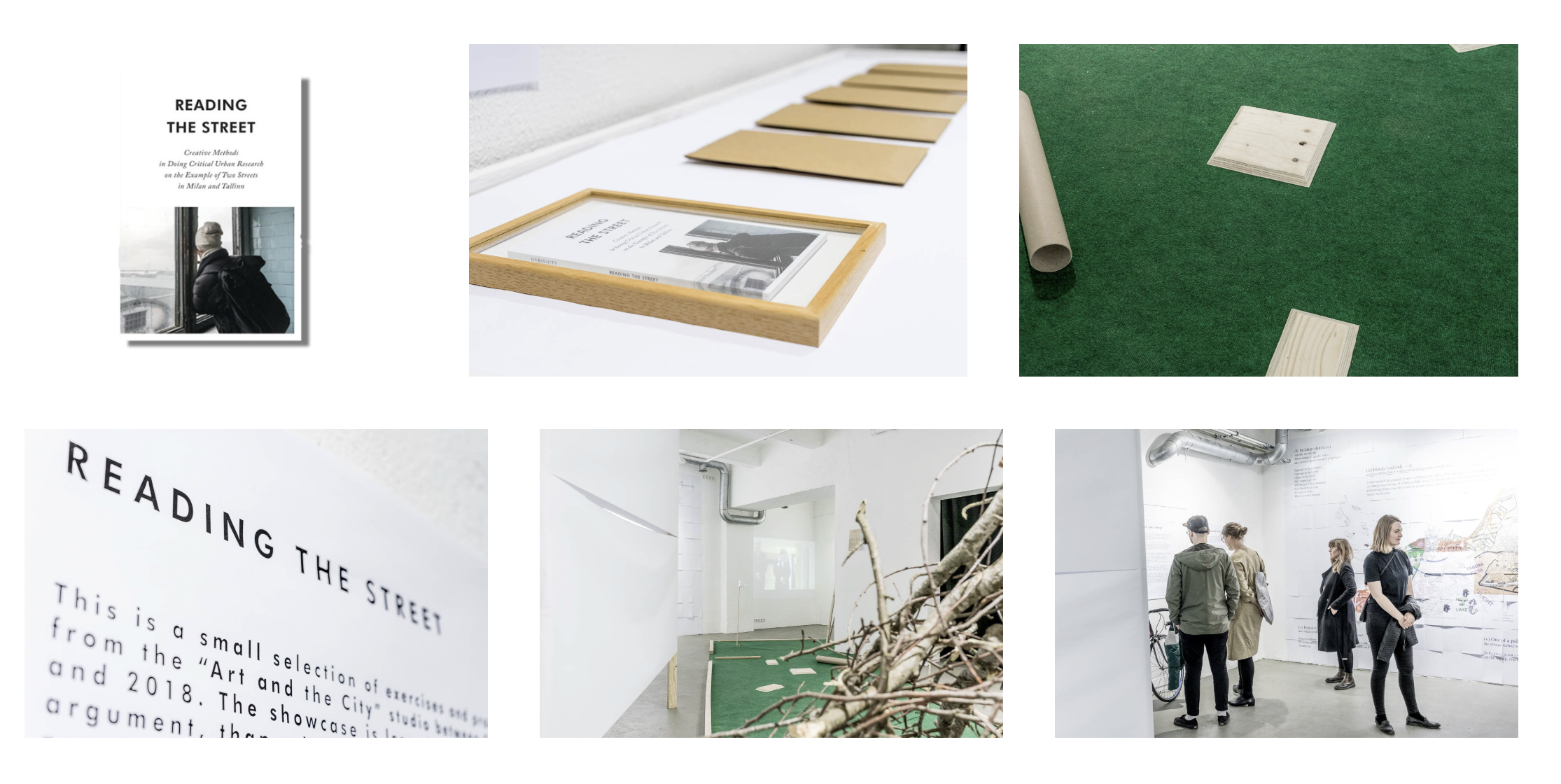
    The exhibition showcased a selection of student work resulting from the “Art and the City” studio at the Estonian Academy of Arts as well as a presentation of the book “Reading the Street – Creative Methods in Doing Critical Urban Research on the Example of Two Streets in Milan and Tallinn” by the urbanism platform Urbiquity.

    The aim of the “Art and the City” studio has been to merge artistic practices with researching urban space. The studio is interdisciplinary and its results have been publicly presented in the form of exhibitions and talks. The wider aim of the studio is to expand the concept of city-making – asking who and what has the power to shape urban space and what possibilities inhabitants of a city have for more agency over space. 

    The exhibition consisted of a selection of student work resulting from the “Art and the City” studio, which showcased how creative methodologies can enable difficult and critical conversations. The book “Reading the Street” combines the results of the 2018 “Art and the City” studio with the results from a parallel workshop conducted in Milan and offers a critical analysis of using creative methods for urban research.

  • Urbiquity Urban Lab 2018

    Urbiquity Urban Lab 2018

    In 2018, we organised the Urbquity Urban Lab in Tallinn and Milan. The results of these workshops and exhibitions were gathered into the Reading the City publication in 2019.

    The Urban Lab is a week-long visual urbanism residency. A programme of walks and talks, practice and theory will be carried out during the 6 days. The Urban Lab will culminate in an exhibition of all the resulting work in Tallinn. Additionally, a selection of the projects will be shown as part of a final showcase curated by Urbiquity.

    The Urban Lab residency creates experiences where urbanists from around the world can learn from and add to the local urban discourse. By learning about the specific urban struggles facing the city that derive from their specific geopolitical context, the participants will create new projects around the central theme. Urbiquity has created a week long programme for this exact purpose which includes talks, seminars, walks and urban interventions.

    More on the Urbiquity website.

  • “My Story” workshop

    “My Story” workshop

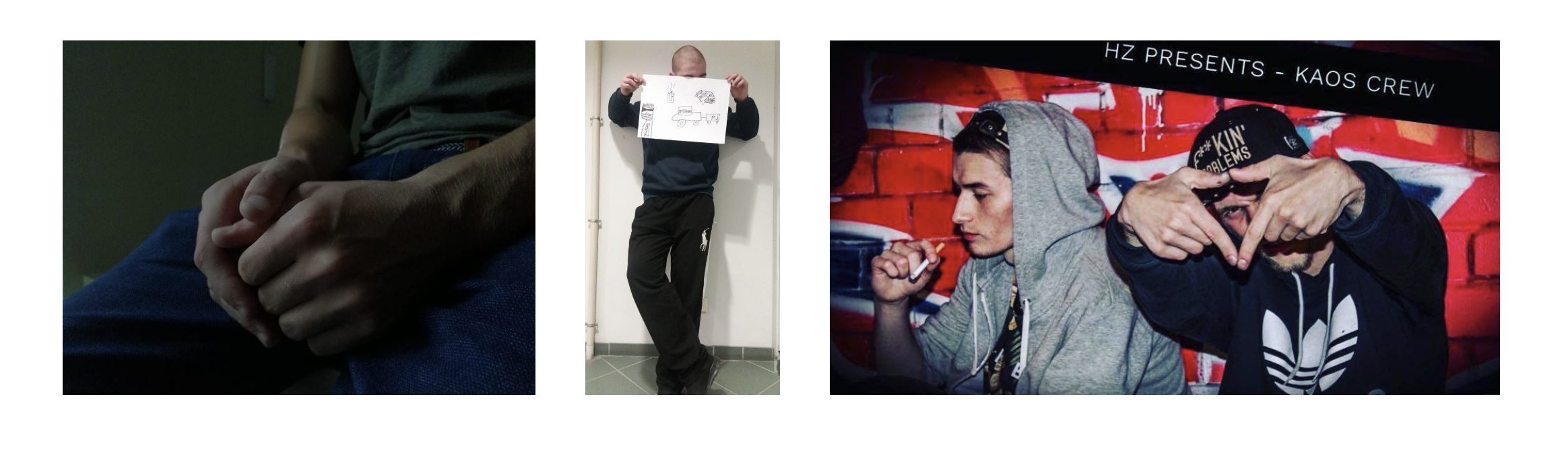
    “Minu lugu” (“My Story”) was a photography workshop I led by with Anna Markina from the Tartu University Faculty of Law. The international study, titled PROMISE, focused on youth involvement in the society. The Tallinn study concentrated on youths with a criminal record. The project aimed to help the participants voice their stories using photography. 

    I led a workshop where the youths learned to use the medium of photography through a series of practical workshops. The end result is an exhibition showcasing the work produced during the course. The final exhibition showcased the work made by the participating youth and was open at the Kullo gallery in Tallinn. More than the results, the process seemed valuable for some of the participants. I personally learned a lot from them.