Category: Exhibition

  • Dozen, two

    Dozen, two

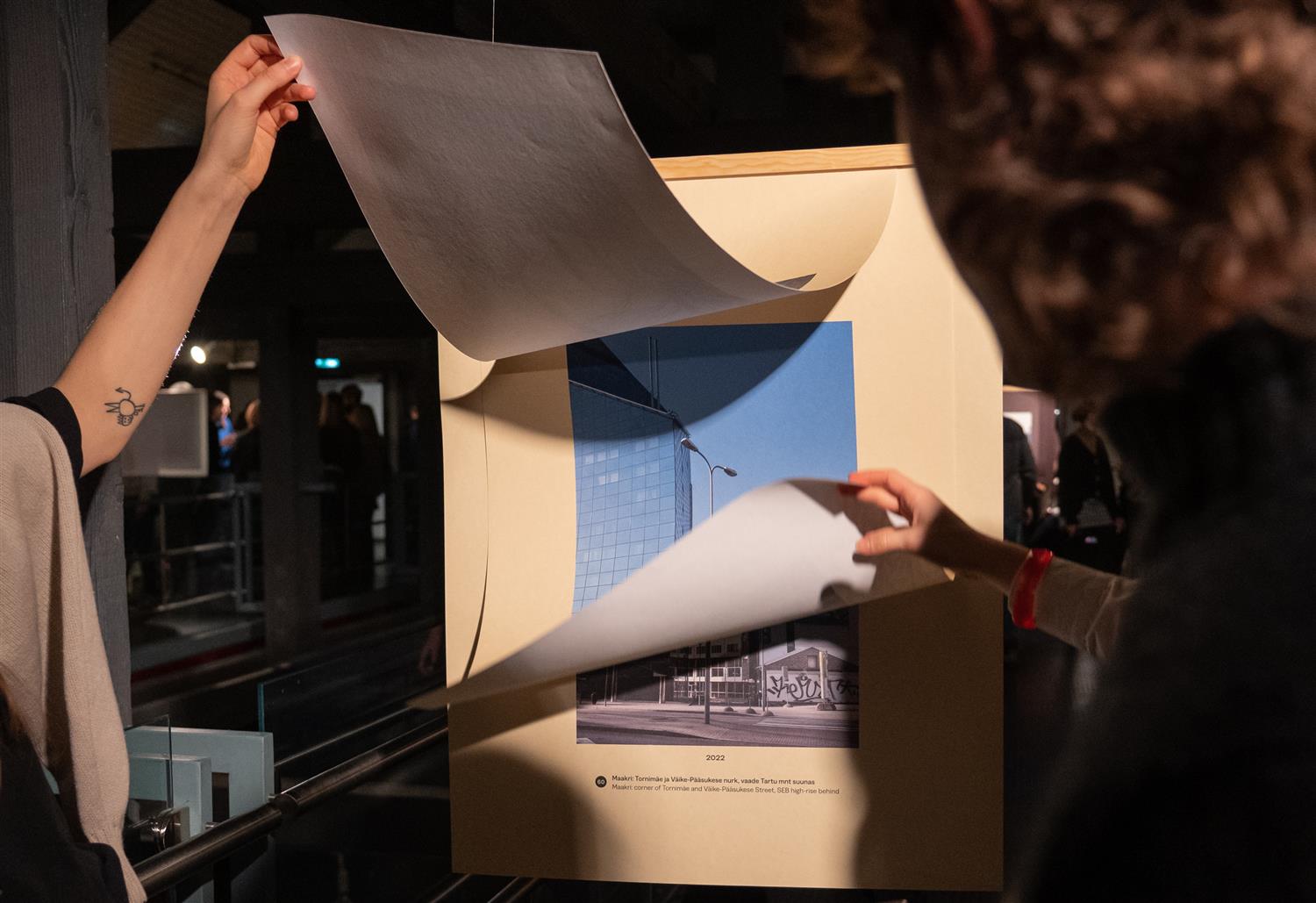
    I was invited to curate (although I prefer the term edit) an exhibition of Dan Mikkin’s re-photo series of Tallinn at the Estonian Architecture Museum. More info here.

    Due to the specific nature of the exhibition space, large amount of source material and nature of the source material, the main curatorial decision was to have the visitors interact with the photos – hence the layered approach. Special thanks to Koit Randmäe for producing the exhibition.

    Paco Ulman also wrote a review of the exhibition, which can be read here (in Estonian).

  • Artishok biennial, 2022, writer

    Artishok biennial, 2022, writer

    I was invited to take part in the 8th Artishok biennial as a writer. The Artishok format selects 10 artists to respond to the central theme along 10 writers who are tasked with a critique of each project. The whole process takes about a year and involves the writers being privy to the development of the artists’ ideas and projects. All the texts are revealed to the public at the opening, rather than with a delay as usual in arts critique. My texts were less focused on the artistic qualities of each outcome, but rather on their relation to the context and wider urban fabric. 

    More about the biennial, projects, artists and writers here

  • #liigunrattaga cycling project

    #liigunrattaga cycling project

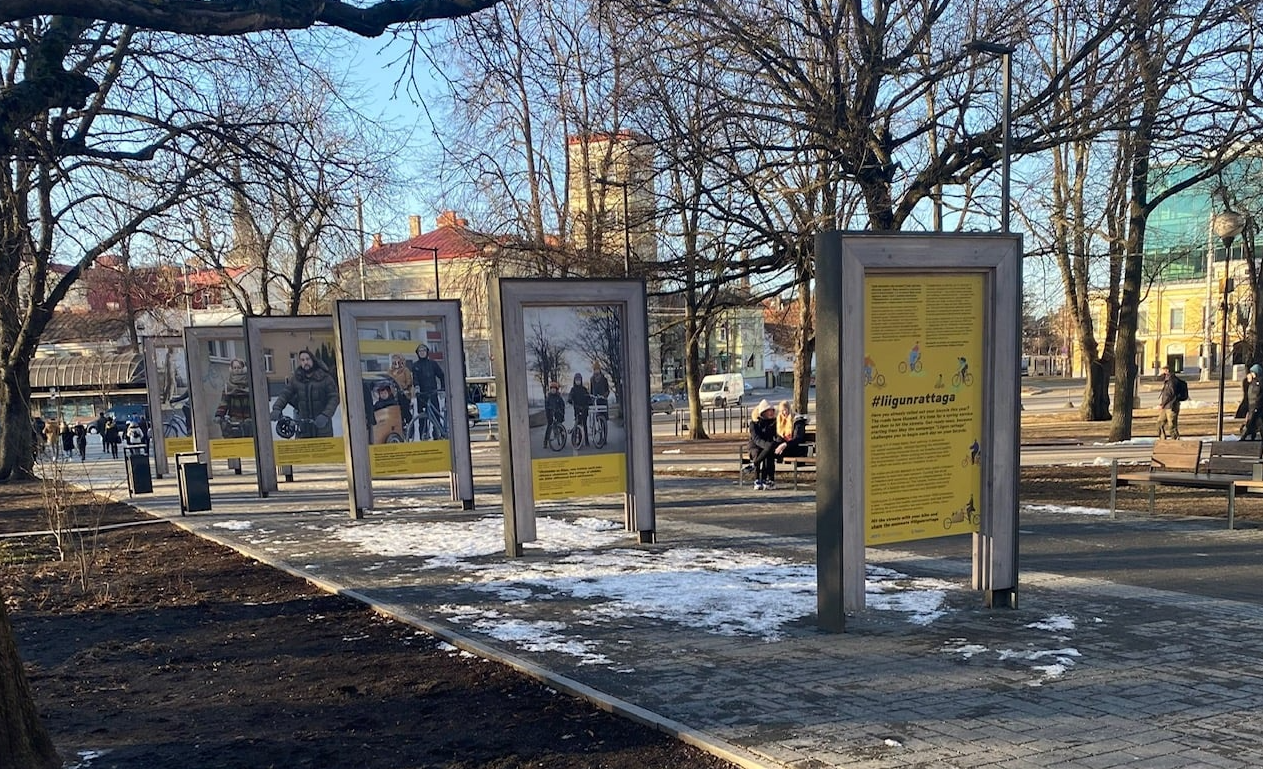
    Portrait project of everyday urban cyclists in Tallinn, Estonia for civic project #liigunrattaga. Exhibited publicly in Tammsaare Park in April, 2021. More information at: https://www.liigunrattaga.ee/

    I was also a team member for this project which is aimed at getting more people to use bikes as a way to get around in Estonia. 

  • Next Stop Pop-up exhibition

    Next Stop Pop-up exhibition

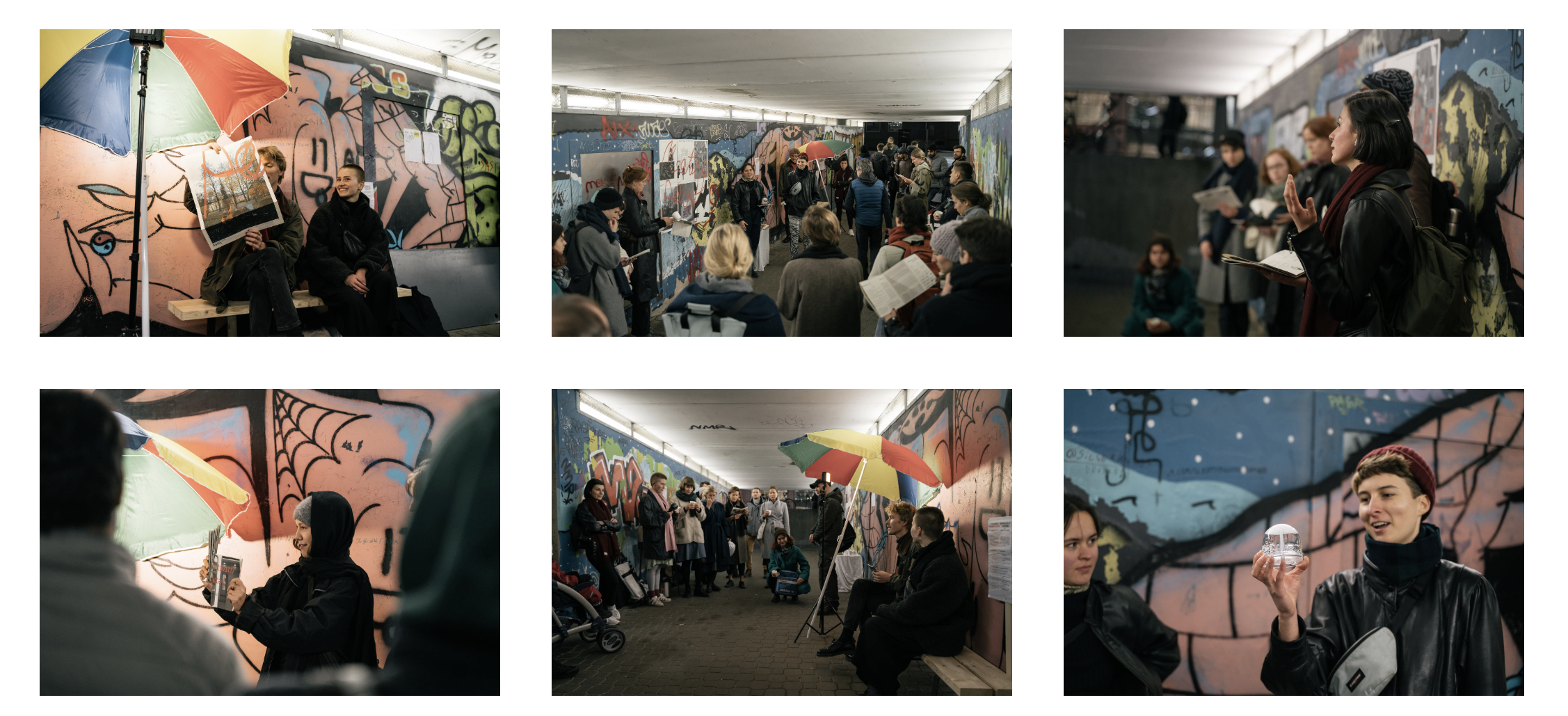
    This was a pop-up exhibition of student works. MA Urbanism year I students presented the results of the Art and the City studio I conduct. This year the studio focused on the future Rail Baltic Tallinn terminal building designed by Zaha Hadid Architects. The futuristic station is set to become a hypermobile node, possibly shifting the centre of the city towards the south, away from the sea.

    Student works ranged from social analysis of the adjoining areas, a proposal for a bench-pavilion of petty crime and a handbook for living next to a construction site to musings on the meaning of connectivity, the smart city and how past and present are simultaneously manifest in the urban fabric.

  • King for a day

    King for a day

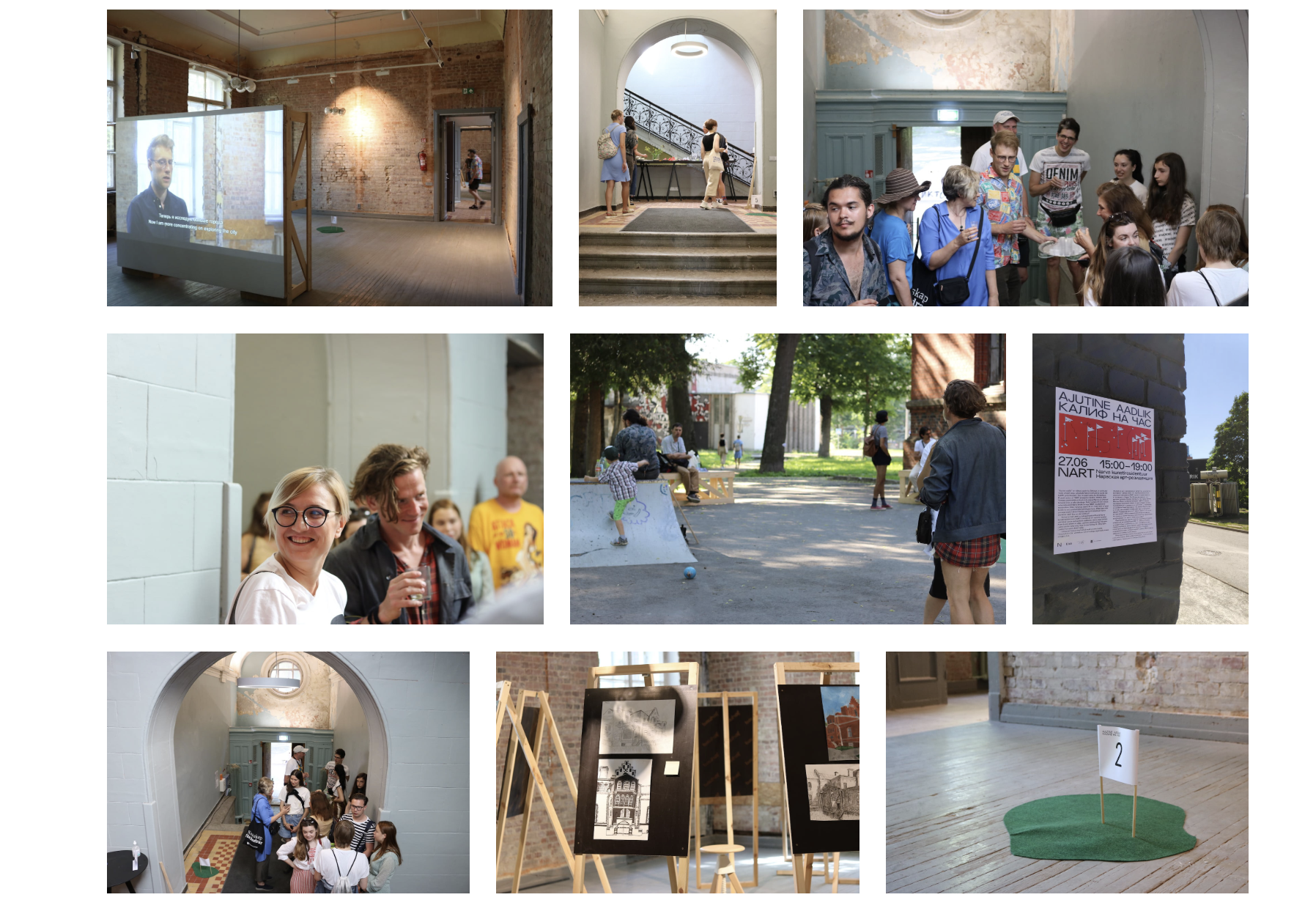
    This project was the result of my time at the Narva Art Residency, NART in June, 2020. “King for a Day” simultaneously was and was not an exhibition. First and foremost it was an invitation to spend some time together, chat about Narva and benefit from the potential of NART. It was more like a party than high culture.

    Over the course of my time in Narva, I attempted to get acquainted with the city and its inhabitants. In time I became particularly interested in how NART and I as a resident of NART relate to the surroundings. Being used to living on 35㎡, not 1000㎡, I could not help but feel privileged but also somewhat alienated from the outside. What to do with all this space? How does a true Narvian perceive this place? Who is welcome here and who is not? I decided to invite everyone.  

    On Saturday, 27. June, we had a playful afternoon at NART.  It was an invitation to be king for a day: spend some time at the former Kreenholm director’s villa, see some art and play a bit of urban golf in the gallery and around the building. We shared food and vodka. We spoke in Estonian, Russian and English. We attempted to dissolve institutional borders. Then we all went home.

    More info on NART here.
  • Reading the Street – Book and Exhibition

    Reading the Street – Book and Exhibition

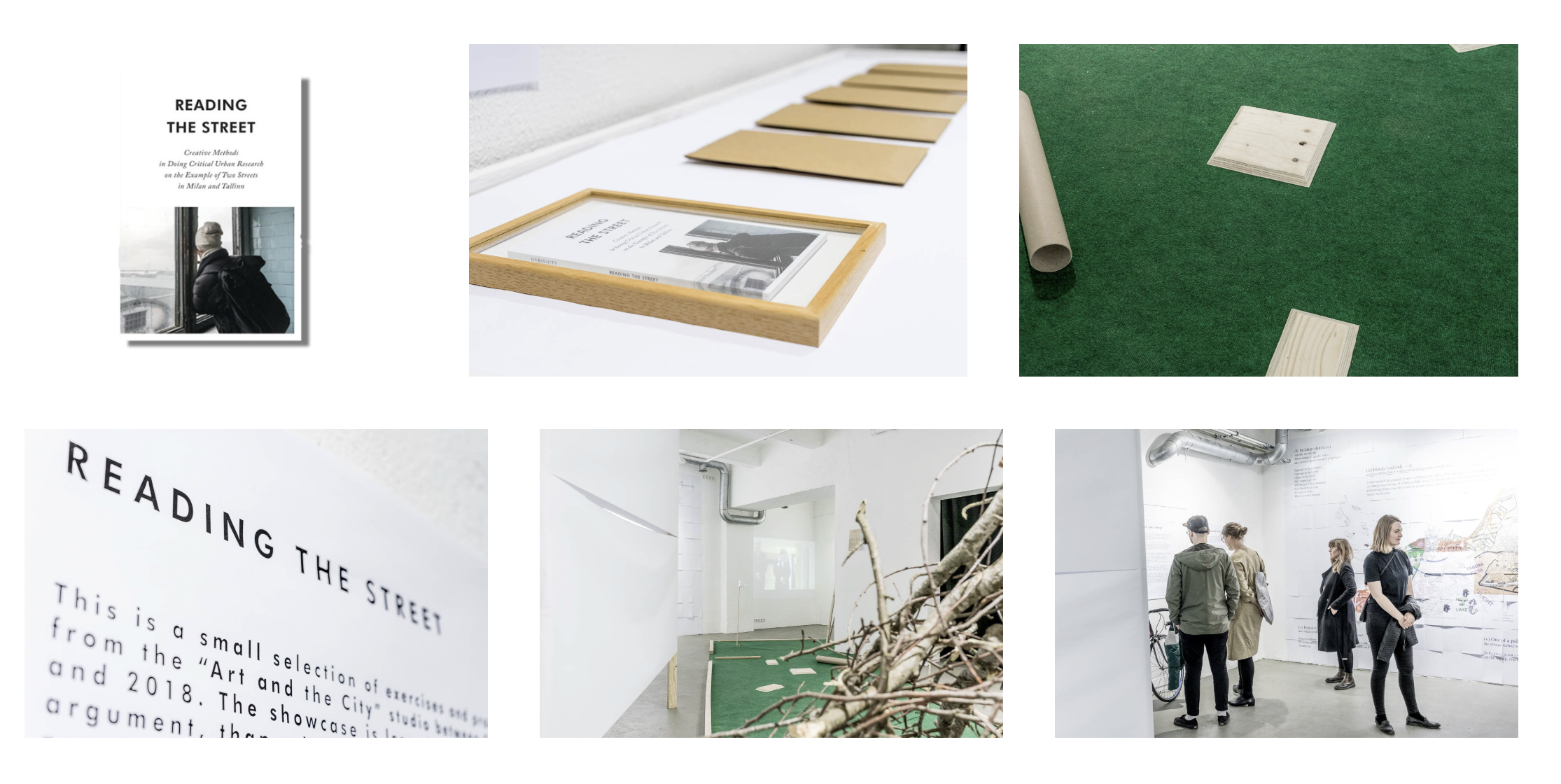
    The exhibition showcased a selection of student work resulting from the “Art and the City” studio at the Estonian Academy of Arts as well as a presentation of the book “Reading the Street – Creative Methods in Doing Critical Urban Research on the Example of Two Streets in Milan and Tallinn” by the urbanism platform Urbiquity.

    The aim of the “Art and the City” studio has been to merge artistic practices with researching urban space. The studio is interdisciplinary and its results have been publicly presented in the form of exhibitions and talks. The wider aim of the studio is to expand the concept of city-making – asking who and what has the power to shape urban space and what possibilities inhabitants of a city have for more agency over space. 

    The exhibition consisted of a selection of student work resulting from the “Art and the City” studio, which showcased how creative methodologies can enable difficult and critical conversations. The book “Reading the Street” combines the results of the 2018 “Art and the City” studio with the results from a parallel workshop conducted in Milan and offers a critical analysis of using creative methods for urban research.