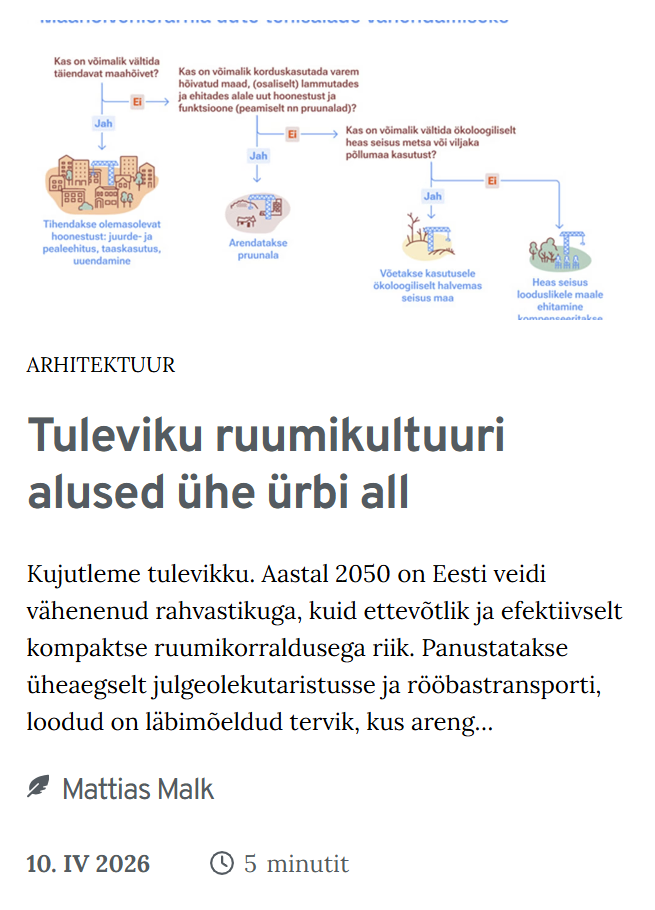
I was invited to look over the proposed national spatial plan for Estonia and to write a short analysis piece for SIRP as part of the public presentations process for the document.
The full text (in Estonian) is available here.
I was invited to look over the proposed national spatial plan for Estonia and to write a short analysis piece for SIRP as part of the public presentations process for the document.
The full text (in Estonian) is available here.
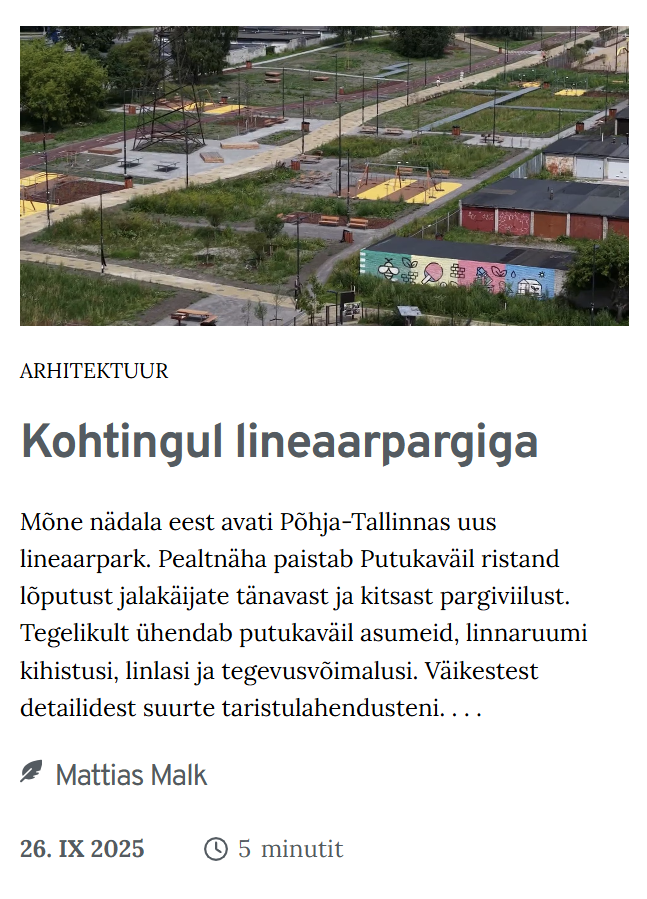
I was invited to write about the newly opened linear park development in North Tallinn for SIRP. The full text (in Estonian) is available here.
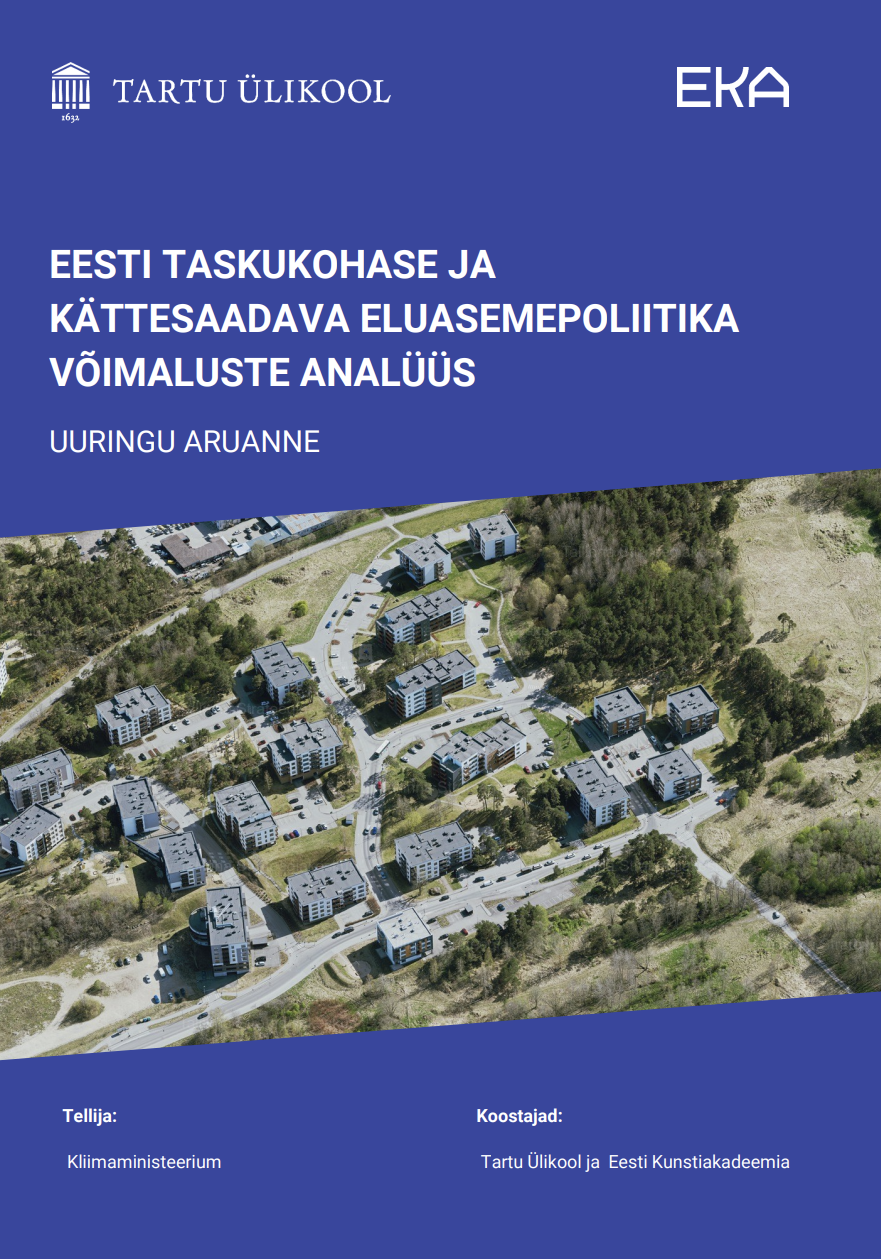
I was the co-lead author for an R&D project to analyse the existing housing situation in Estonia and propose new policies. The analysis forms the basis for the housing policy of the state for years to come. On the back of this analysis I was also commissioned to further develop the policy packages by the Ministry of Climate and have been advising the policy development process throughout the following steps.
The full text of the report (in Estonian) is available here.
Official description:
The purpose of the commissioned work is to obtain an overview of the availability, affordability and quality of the Estonian housing market, on the basis of which to develop recommendations for Estonian housing policy. The “Coalition Agreement 2024-2027”1, signed on 22 July 2024, has set the goal of the coalition government program to launch a program that promotes the creation of homes, within the framework of which a housing policy strategy must be developed at the national level. In addition, the coalition agreement outlines the acceleration of the reconstruction of residential buildings in rural areas, the end of unfair competition in the provision of short-term rentals, and the continuation of the rental housing program.
Co-authors and full reference: Kährik, A., Malk, M., Tammis, T., Ojari, A., Kalm, K., Tammaru, T., Gončarovs, K.,
Smirnova, I., Fischer, M. A., Mägi, K., Kantšukov, M., Chebotareva, M., Alfieri, L., Krivý, M.,
Sutela, E. (2025) “Eesti taskukohase ja kättesaadava eluasemepoliitika võimaluste analüüs”.
Tartu Ülikool, Eesti Kunstiakadeemia.
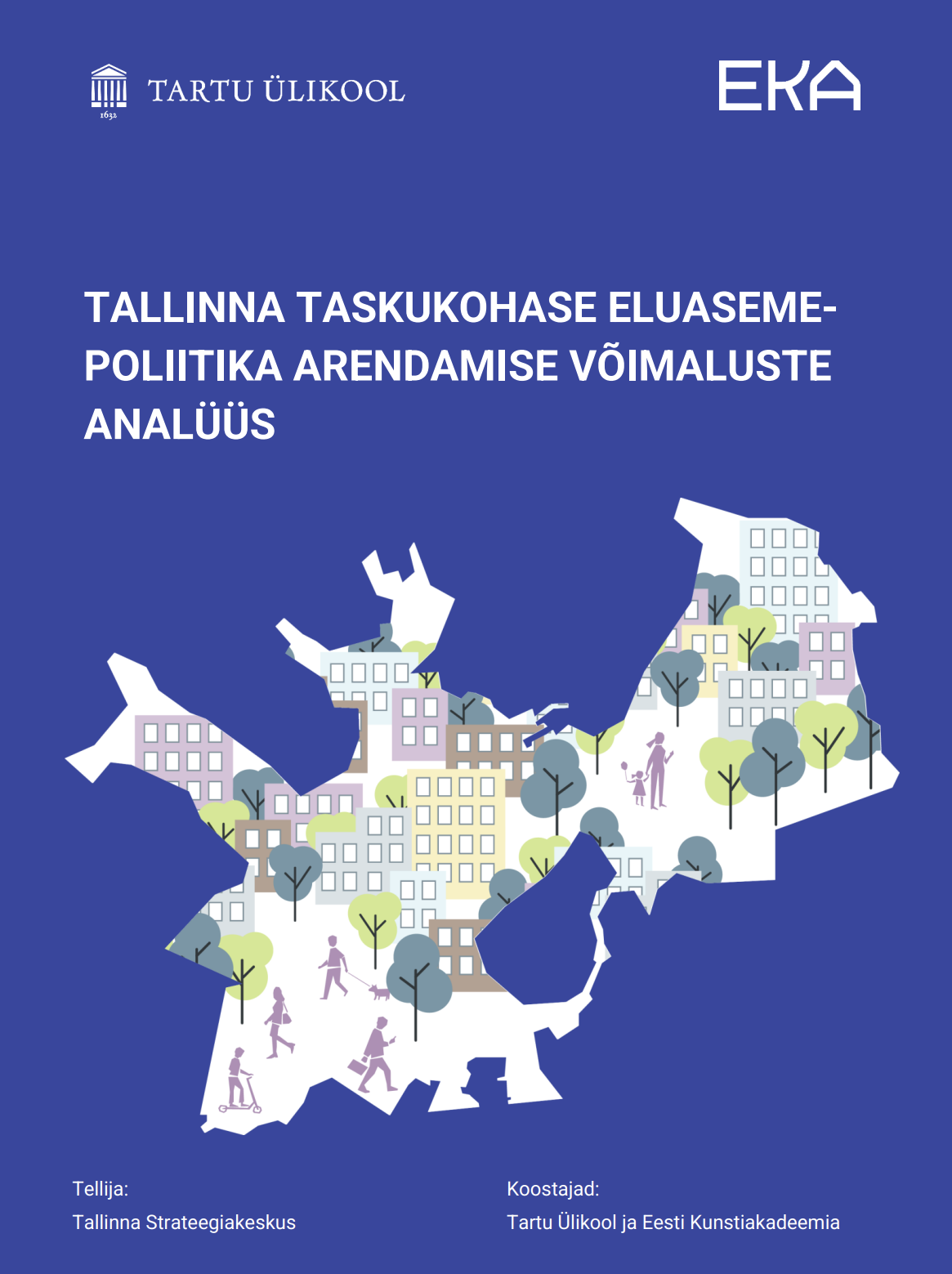
I was the co-lead author for an R&D project to analyse the existing housing situation in Tallinn and propose new policies. The analysis is intended to form the basis for the housing policy of the capital for years to come.
The full report (in Estonian) is available here:
Official description: The aim of the analysis is to identify patterns and trends in spatial inequality (socio-economic, housing prices) in Tallinn in the period 2010-2023 (part of the analysis also covers the period 2000-2023) and, based on these results and an analysis of practices in European cities, to provide policy recommendations to improve the availability of affordable housing and to change related urban planning (including spatial planning interventions).
Commissioned by: Tallinn Strategy Office
Authors and full reference: Kährik, A., Malk, M., Tammis, T., Ojari, A., Kalm, K., Tammaru, T., Gončarovs; K, Mägi,
K., Smirnova, I., Fischer, M. A., Krivý, M., Sutela, E., Ruoppila, S. (2025) “Tallinna taskukohase
eluasemepoliitika arendamise võimaluste analüüs”. Tartu Ülikool, Eesti Kunstiakadeemia.
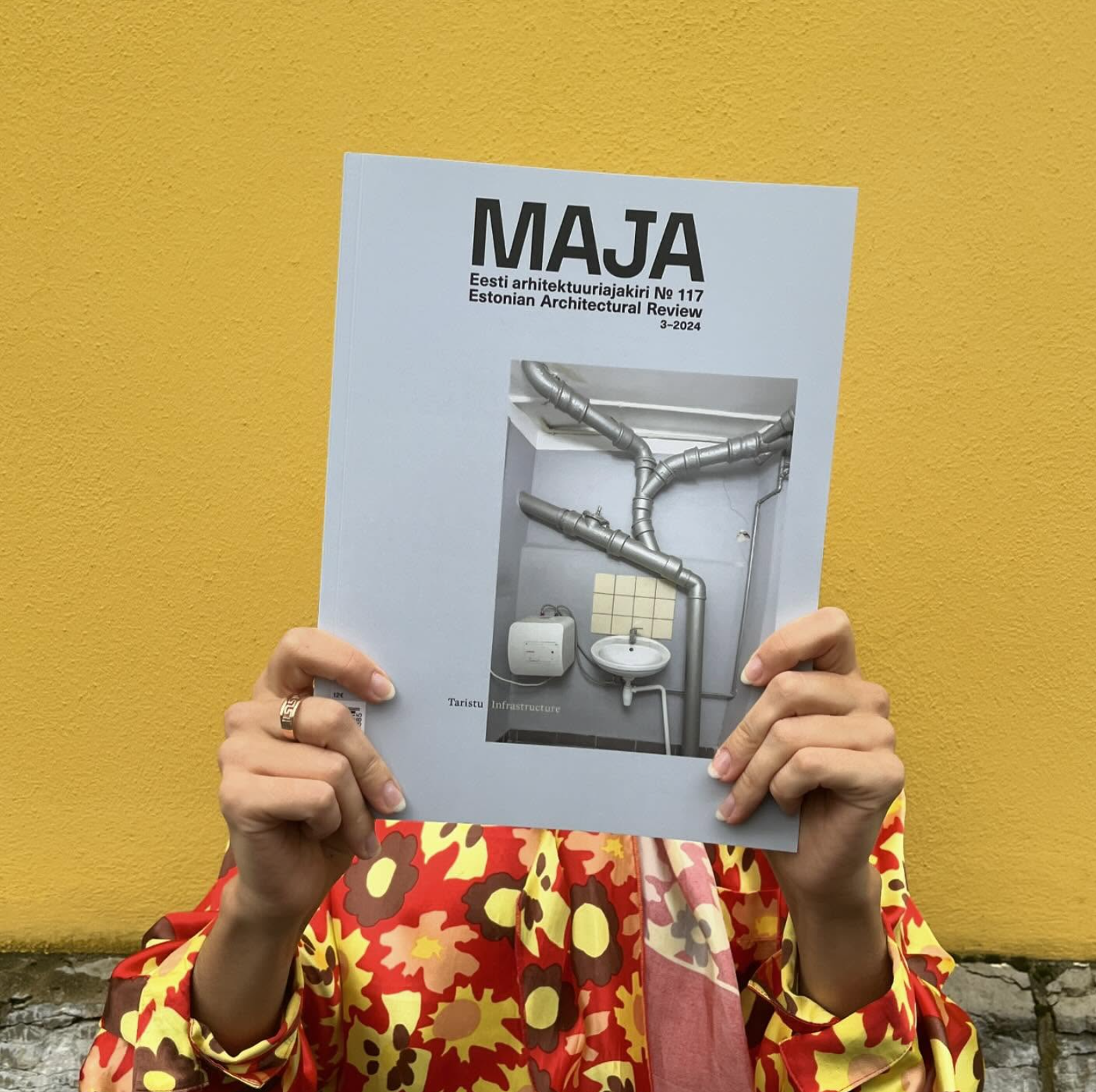
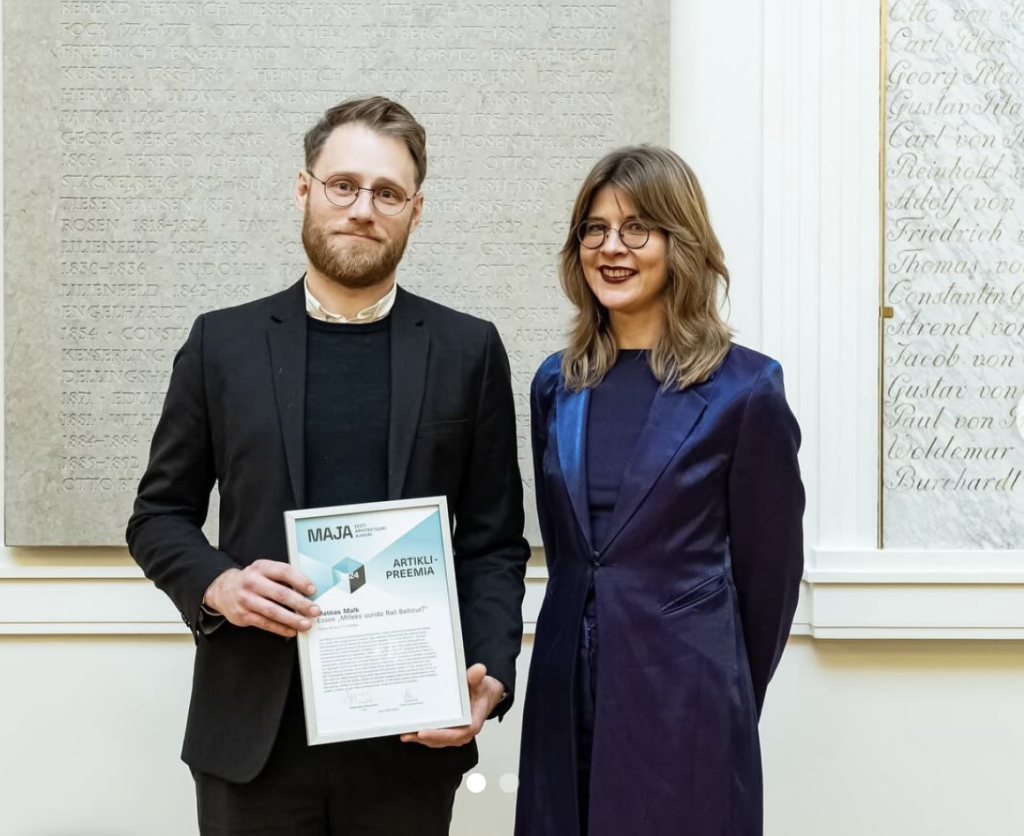
Article for the Estonian Architectural Review on my PhD topic. In general it argues that all new hard infrastructure should be engineered to double as social infrastructure. Received the architecture award for the best article in 2025. Full text available here. Both in Estonian and English.
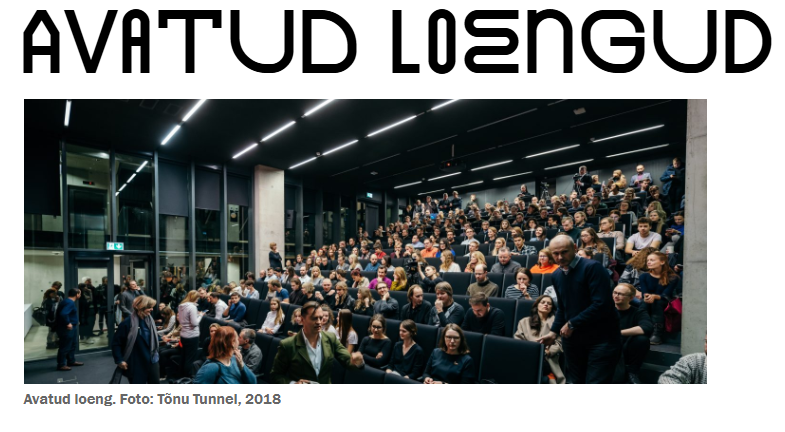
In the 2024 autumn semester, I was invited to curate the open lecture series of the Faculty of Architecture at the Estonian Academy of Arts. The invited lecturers focused on the ongoing shift in planning practice, where considerations other than pure economic viability increasingly play a role in decision-making. The resulting lecture are all available online in full (in English).
In addition, I conducted interviews with each of the presenters, which were then published in SIRP. Here are the links to each full text(in Estonian)and lecture:
Jonas Janke (with Arno Brandlhuber), lecture, article.
Elina Alatalo, lecture, article.
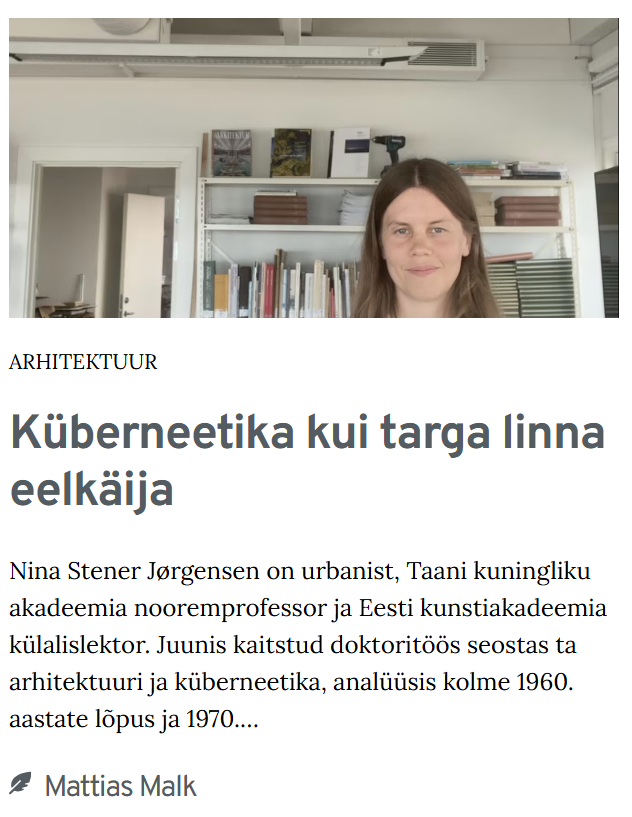
Interview with Nina Stener Jørgensen on her defended PhD topic for SIRP. The full text (in Estonian) is available here.
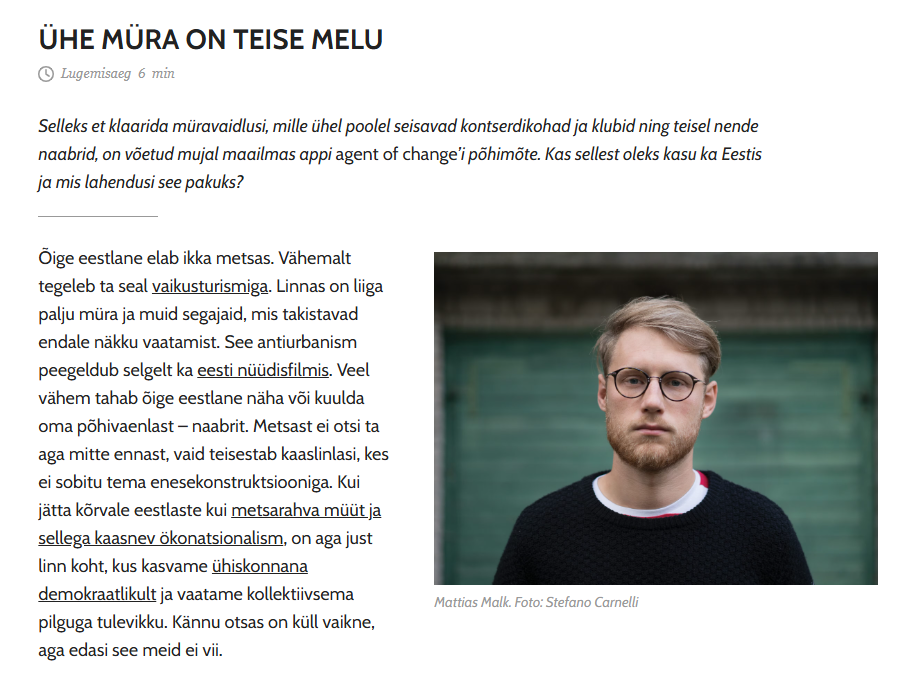
I was invited to write about live music venues in urban environments for Müürileht. More specifically they were interested in the ongoing conflicts around these venues with local residents and how to avoid or solve these. The full text (in Estonian) is available here.
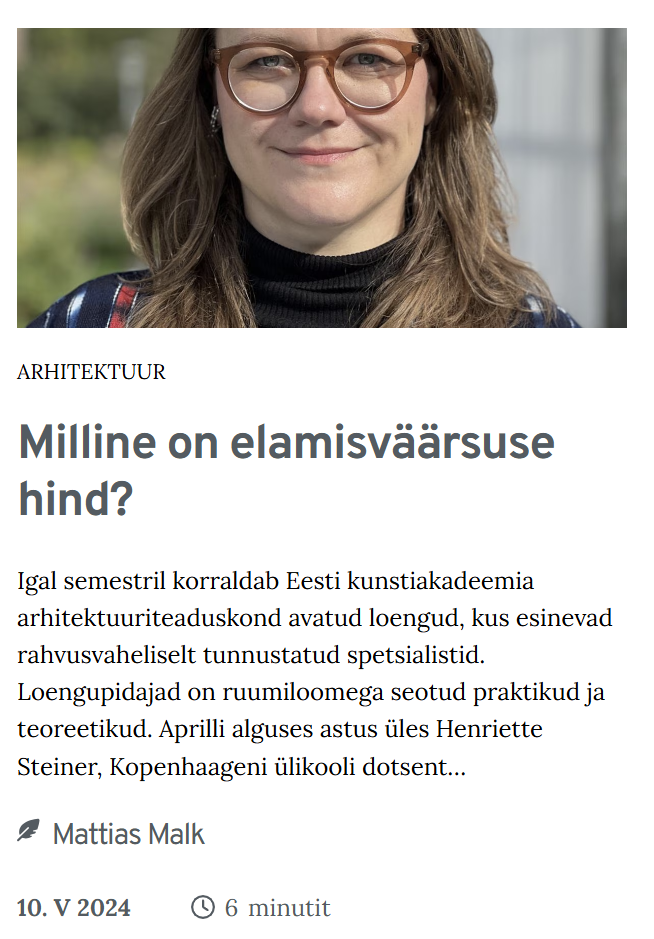
An interview with Henriette Steiner who presented at the open lecture series in the Estonian Academy of Arts on the notion of livability. Full text (in Estonian) is available here.
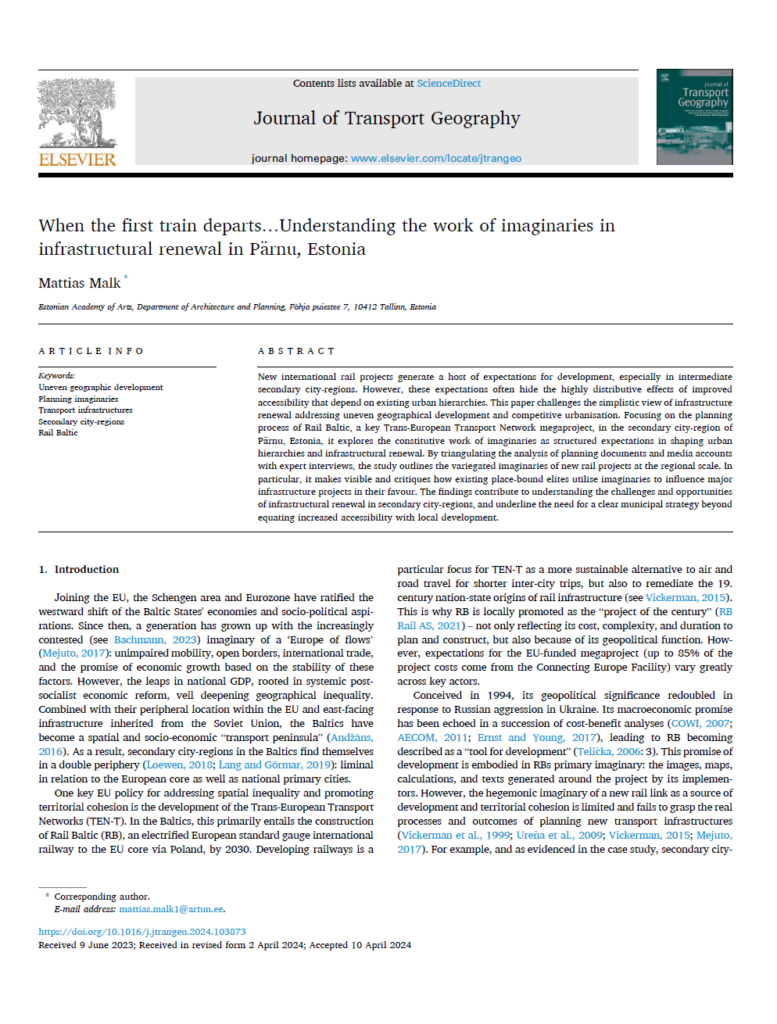
This was an academic article written as part of my PhD thesis about the planning of Rail Baltic. The article title is: When the first train departs…Understanding the work of imaginaries in infrastructural renewal in Pärnu, Estonia. It was published in the Journal of Transport Geography in May, 2024.
Abstract:
New international rail projects generate a host of expectations for development, especially in intermediate secondary city-regions. However, these expectations often hide the highly distributive effects of improved accessibility that depend on existing urban hierarchies. This paper challenges the simplistic view of infrastructure renewal addressing uneven geographical development and competitive urbanisation. Focusing on the planning process of Rail Baltic, a key Trans-European Transport Network megaproject, in the secondary city-region of Pärnu, Estonia, it explores the constitutive work of imaginaries as structured expectations in shaping urban hierarchies and infrastructural renewal. By triangulating the analysis of planning documents and media accounts with expert interviews, the study outlines the variegated imaginaries of new rail projects at the regional scale. In particular, it makes visible and critiques how existing place-bound elites utilise imaginaries to influence major infrastructure projects in their favour. The findings contribute to understanding the challenges and opportunities of infrastructural renewal in secondary city-regions, and underline the need for a clear municipal strategy beyond equating increased accessibility with local development.